Why Starting an Exercise Routine Feels So Hard – And What You Can Actually Do About It

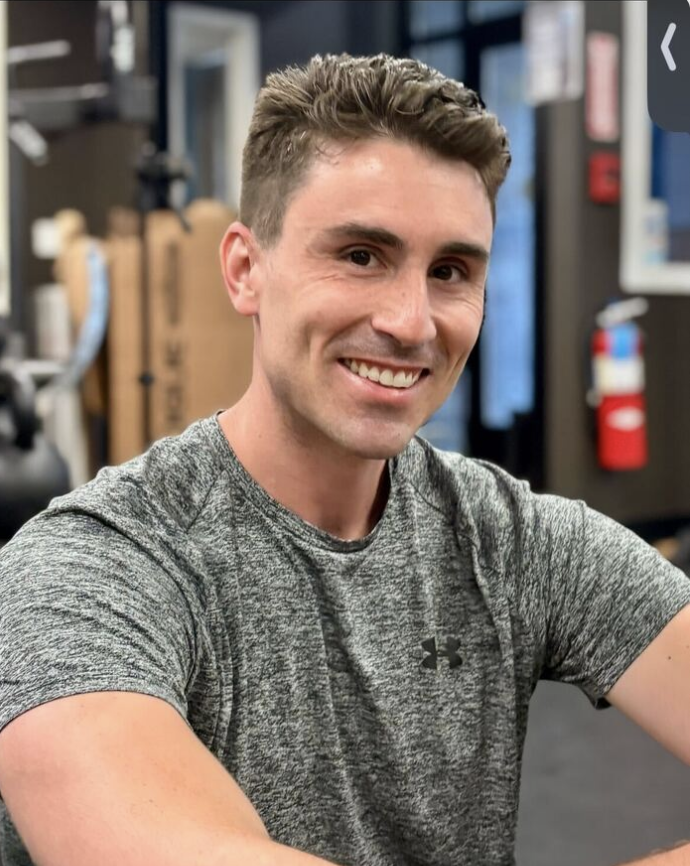
This is a guest post by Justin Kompf PhD, Exercise Scientist & Boston Personal Trainer
Starting is the hardest part — not the workout itself.
Most people walk into a gym already feeling like they’re behind.
The truth? They’re not. They’re just missing a few key ingredients.
Walk into any gym in Boston — Back Bay, the South End, the Financial District — and you’ll see the same thing everywhere:
The people who already have a routine
And the people who want one, but haven’t figured out how to begin
If you’re in that second group, you’re in good company. After working with hundreds of Boston professionals, I’ve learned this: people don’t avoid exercise because they’re lazy. They avoid it because the starting line feels confusing, overwhelming, or impossible to reach.
And the barriers people describe are remarkably consistent.
1. “I Don’t Know Where to Start.” (The Planning Problem)
This is the most common issue I hear from people who want to exercise but haven’t taken the first step.
People want:
A simple routine
Someone to tell them exactly what to do
Clarity about reps, sets, machines, and how often
A plan designed around injuries or limitations
This isn’t a deficiency in character — it’s a cognitive load problem. If your brain is already overloaded with work, family, and life, it won’t add a task that feels vague or ambiguous.
What helps
Follow a beginner strength template: 2–3 days/week, 20–30 minutes
Use familiar tools: dumbbells, machines, chair, resistance bands
Limit your plan to 4–6 simple movements per session
Keep progressions tiny: +1–2 reps or +2.5–5 lbs when it feels easy
If your routine feels “too simple,” that’s a sign you’ll actually stick with it.
2. “I Need Motivation… and Accountability.”
People think they need hype. What they really need is structure — something that keeps them moving when life gets chaotic or discouraging.
Most people aren’t missing willpower. They’re missing:
Someone checking in
A flexible plan for low-energy days
A safe place where they don’t feel judged
A routine that adapts to their schedule, not the other way around
What helps
Schedule workouts the same way you schedule meetings
Create a “bare minimum plan” (a 10-minute version you can always do)
Use a buddy system, group class, or coach for early accountability
Track consistency, not intensity
Build external accountability first — internal accountability comes later
3. Pain, Injuries, and the Fear of Doing It Wrong
A huge portion of people delay exercise because they’re worried about hurting themselves — or re-injuring something. Knees, back, arthritis, old surgeries — these concerns are real and valid.
What helps
Start with low-impact strength work
Move only in pain-free ranges
Swap high-impact cardio for joint-friendly options: bike, rower, pool, incline treadmill
Use machines if free weights feel intimidating
Avoid floor exercises if getting up/down is a barrier
Don’t chase soreness — chase repeatability
Being careful isn’t being weak. It’s being smart.
Check out a related post by the Back Bay Health team for more on this Back Pain & Barbells: Why Strength Training is the Best Rehab
4. “I Don’t Have Time.”
Boston schedules are no joke — long commutes, demanding jobs, caregiving, sometimes two jobs. Many people assume a workout must be 45–60 minutes to be worth it. That belief alone prevents thousands from starting.
What helps
Use the 20-minute rule
Break movement into “activity snacks” throughout the day
Short workouts at home during the week, longer ones on weekends
Use “paired routines” — exercise during kids’ activities, between meetings, or before a shower
Follow a weekly “minimum dose”:
2 strength sessions
3–4 short walking/cardio sessions (10–20 min counts)
Small sessions count more than you think.
5. Overwhelmed: Too Many Options, Too Many Decisions
A common refrain:
“I walk into the gym and freeze. There’s too much equipment. I don’t know where to start.”
This is analysis paralysis disguised as lack of motivation.
What helps
Follow a minimalist routine
Repeat the same program every week
Think in simple movement categories:Push
Pull
Hinge
Squat (or a knee-friendly alternative)
Core
Make everything else optional
The right plan should simplify your life, not complicate it.
6. “I Don’t Want to Do It Alone.”
People are more consistent when they feel:
Supported
Safe
Checked in on
Encouraged
Seen
And yes — when they have a community.
This is why small-group strength training and semi-private coaching are so effective: you get personal attention without feeling spotlighted… or alone.
Okay, So What’s the Next Step?
Boston is flooded with gyms — but very few are uniquely built to help people start, especially those dealing with:
Injuries
Arthritis
Busy, unpredictable schedules
Long gaps away from exercise
Fear of doing it wrong
That’s exactly why we built First Guess Fitness at 30 Court Square in Downtown Boston — a coaching-first, beginner-friendly training studio where you get:
Personalized routines
Real accountability
Guidance around injuries
A supportive community
Plans that work for busy professionals
If getting started has been your biggest barrier, we’d love to make it feel simple — and actually doable.
👉 Mention this article for a complimentary first class or a discounted first month for Boston locals looking to begin strength training.
👉 You can also try our free progressive web app at https://www.firstguessfitness.com/app — perfect for starting a routine at home or while traveling.
Final Thought: It’s Not a Character Issue — It’s a Resource Issue
When someone tells me they “can’t get motivated,” what they’re really missing is:
A plan
Clarity
Support
Accountability
A safe starting point
A community
Every one of those things is fixable.
And once the friction drops? People who once believed they “weren’t exercise people” become the most consistent people in the room.