
Underfueled Bodies Hurt More
Explore the Hidden Link Between nutrition, RED-S, and musculoskeletal pain.

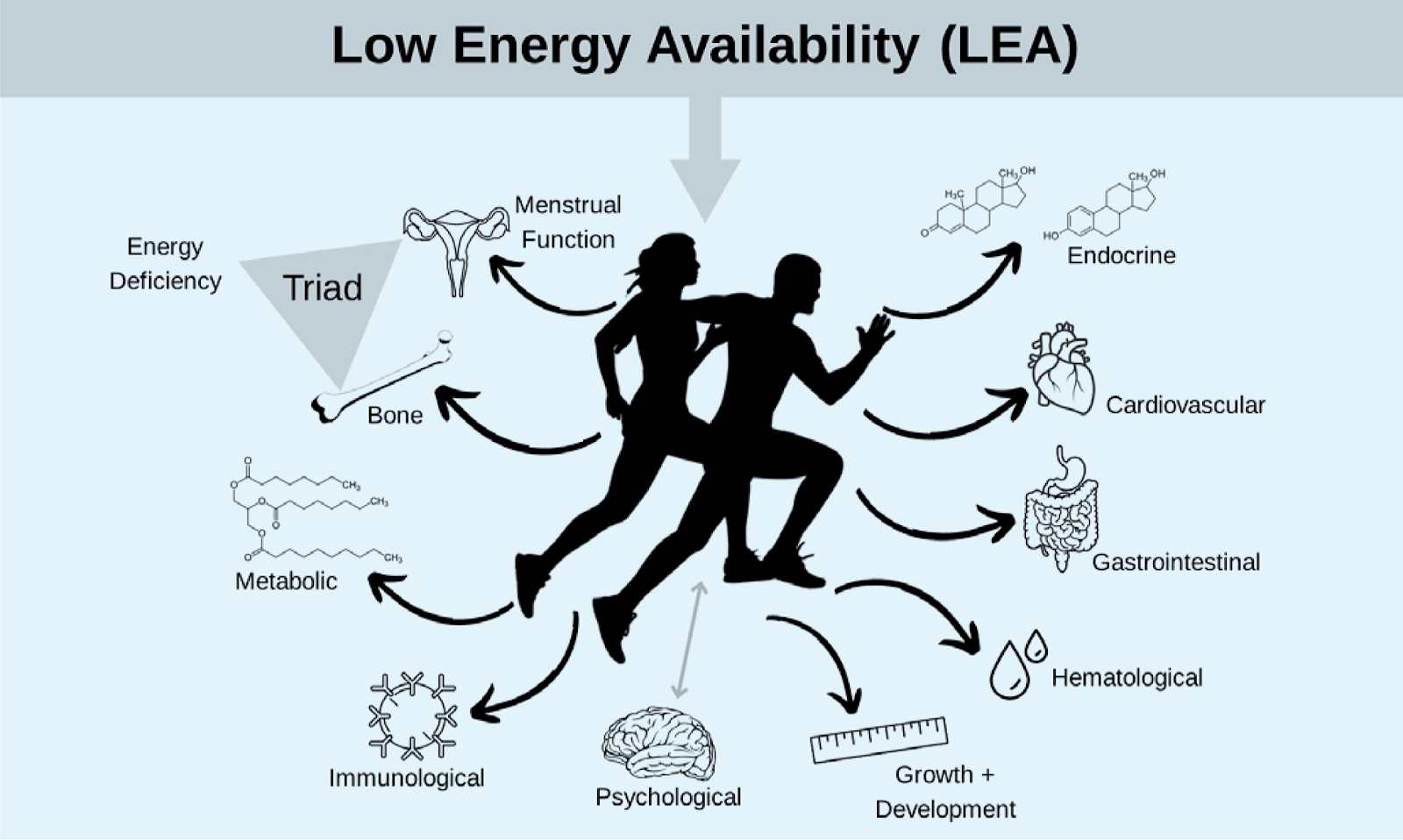
Aches and pains are at best frustrating and at worst can sideline you for weeks. With injuries, we typically look to issues with our form or our gear often overlooking a crucial aspect of performance – fueling. Relative Energy Deficiency in Sport (RED-S) is a condition of low energy availability (LEA) caused by improper fueling that results in adverse effects on all aspects of the body leading to high rates of injury and mental burnout. LEA occurs when energy expenditure exceeds energy intake leading the body to fall short of the energy demands to power important body processes. While disordered eating patterns can overlap with RED-S, athletes may unintentionally under-fuel while adjusting to a new high intensity program, dealing with additional environmental stressors, or other influences on appetite interrupting normal hunger signals.
Recognizing the Signs and Long-Term Risks of RED-S
RED-S is commonly seen in sports where low body weight is considered superior (gymnastics, figure skating, rowing, diving),though it can impact any person at any level of fitness whether that be elite or recreational. The common signs of RED-S are often overlooked or brushed aside as they can also correlate with symptoms of hard training or putting in intense efforts. It’s important for providers and athletes alike to understand the warning signs of RED-S as the longer LEA persists, the larger the impact of it on the body including long term health and performance. Common signs of RED-S include fatigue, declining performance, weight loss, low mood, frequent illnesses, recurrent injuries, loss of menses (female athletes), or low libido (male athletes). Research has shown athletes experiencing menstrual dysfunction experience the highest rates of severe musculoskeletal injuries, as compared to those receiving adequate intake, requiring lengthy recovery times until returning to sport. When the body senses inadequate fuel, it downregulates non-essential systems, including reproductive hormones. Over time, suppressed estrogen or testosterone negatively impacts bone density, increasing risk of stress fractures. Restoring energy availability through appropriate nutrition is one of the most effective interventions for protecting bone health and reducing recurrent injury. Other long term impacts include damage to cardiovascular function and bone health, all incredibly necessary for long term participation in general fitness practices. (NIH, 2022)
Diagnosis and Recovery: Restoring Energy Availability
RED-S is currently diagnosed by a thorough work up from a sports medicine physician. Treatment approaches include the guidance of physicians, psychotherapists, and registered dietitians to support an athlete through restoring energy availability. Working with a registered dietitian either post diagnosis or as a preventative measure, can help provide important information regarding your individual nutrition needs based on your specific activities, daily lifestyle, and food preferences. Nutrition provides the foundation for a strong body therefore it’s imperative to understand your body’s needs. Improving energy availability may look like significantly increasing energy intake on a regular basis, cutting back on training intensity temporarily, and reestablishing consistent meal timing. For some athletes, this means rebuilding trust with hunger cues and reframing food as performance fuel rather than something to restrict. Nutrition is not simply supportive in RED-S recovery — it is the primary treatment. Adequate fueling is not just about total calories — it’s about timing, balance, and consistency. Exploring balance, it’s important to highlight the key players including macro and micronutrients.
Nutrition as the Primary Treatment for RED-S: Macronutrients & Micronutrients
Carbohydrates provide the primary fuel for training and support hormone function though are often underappreciated in the popular discourse around nutrition. Our brain alone requires on average ~120-130 grams of carbohydrates per day and this is without the additional carbohydrates required to power high intensity training. Without adequate carbohydrates available in the blood stream throughout the day, our body will begin to pull from other less efficient fuel sources including protein. By pulling from protein stores in the body, this can interrupt muscle growth and output as protein itself aids in muscle repair and recovery. It is well understood that protein is a crucial nutrient for an athlete, it is often overstated just how much protein we should be consuming and when. While protein supplements and large portions of post-workout proteins are highly marketed for strength building, our body does not have the capacity to digest and utilize high amounts of proteins at one time. This fact becomes important around meal timing and spreading fueling out throughout the day for most effective utilization and protein synthesis. And finally, fats. Without fat intake, our body would struggle to absorb key nutrients from our foods as well as produce hormones to circulate through our body.
Micronutrients are also pivotal parts of a balanced diet as most vitamins and minerals serve as assistants to energy production and other cellular processes. Particularly important nutrients for active individuals include calcium and vitamin D for bone health and iron which helps circulate oxygen to your cells during activity.
Preventing RED-S Through Nutrition:
Preventing RED-S starts with consistent, intentional fueling. Eat within 60 minutes after training, avoid long gaps longer than four hours without food, and increase your intake when training volume rises. Pay attention to early warning signs like changes in mood, sleep, or menstrual cycle — these shifts may signal low energy availability before injury occurs. Most importantly, consider working with a sports dietitian during new or intensified training cycles to ensure your nutrition supports your performance. Fueling properly isn’t just about recovery — it’s about protecting your health, preventing injury, and sustaining long-term athletic success.
Eat within 60 minutes after training
Avoid long gaps (>4 hours) without food
Increase intake when training volume increases
Monitor changes in mood, sleep, or menstrual cycle
Work with a sports dietitian during new training cycles