
Seasonal Injuries: Why They Happen and How to Prevent Them
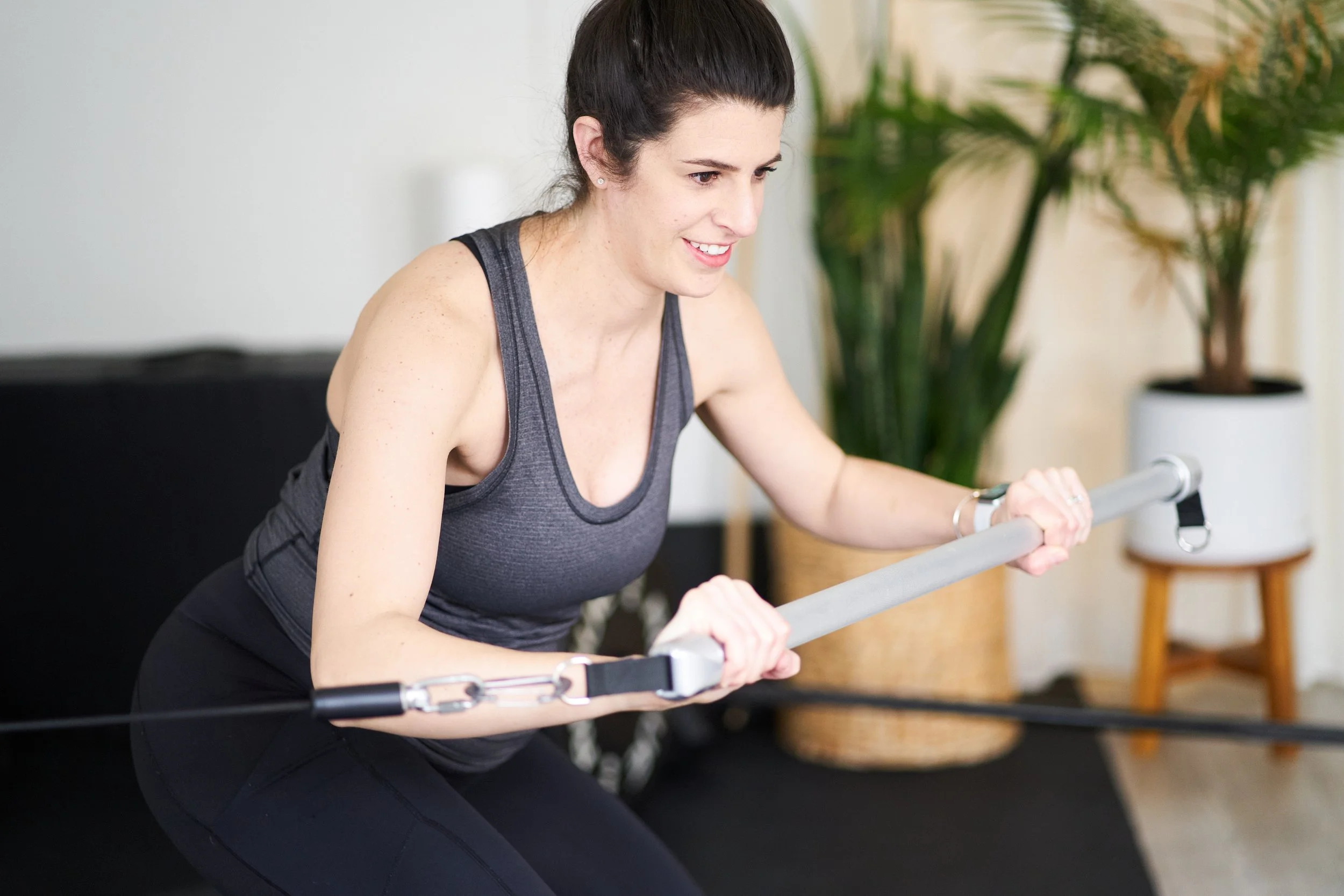
Seasonal Injuries: Why They Happen and How to Prevent Them
Every spring and summer, we see a familiar trend at Back Bay Health:
heel pain after increasing running mileage
a increase in pickleball and tennis-related injuries
low back flare-ups from yard work
shoulder irritation from outdoor sports and projects
Though most people blame a “bad movement,” like picking up a bag of mulch - more often, they happen when activity levels increase faster than the body is prepared to handle.
Why Seasonal Injuries Increase in Spring and Summer
After a long New England winter (especially this last one), many people are eager to get outside and ramp up activity levels by:
running more frequently
playing recreational sports again
gardening and yard work
golfing
The body does an amazing job of adapting to stress - but tissues like muscles, tendons, and joints respond best when load increases gradually.
What Is Load Management?
Load management is the balance between:
what your body can currently tolerate
and what you’re asking it to do
When that gap becomes too large, your body may demonstrate increasing levels of soreness, stiffness, pain, low energy, poor mood and more.
This doesn’t necessarily mean you’ve done any damage. In many cases, it just means the body needs time, recovery, and progressive exposure to adapt.

Common Seasonal Injuries We See
Plantar Fasciitis and Heel Pain
A sudden increase in walking, running, or standing can overload the plantar fascia and calf complex.
Common contributing factors include:
rapid mileage increases
insufficient calf strength
poor recovery - sleep, nutrition, hydration
These issues often respond well to:
progressive strengthening
calf loading exercises
gradual return to activity
improved recovery habits - sleep hygiene, adequate calories and protein, proper hydration, stress management practices
Pickleball and Tennis Injuries
As pickleball and tennis season ramps up, we frequently see:
calf strains
Achilles irritation
knee pain
tennis elbow
shoulder irritation
These sports require quick changes of direction, rotational strength, and good conditioning. Many people jump back into them without preparing their bodies for those demands.
Yard Work and Low Back Flare-Ups
Spring yard work may create an increase in bending, lifting, and twisting movements that your body hasn’t done in awhile (unless you were snow shoveling all winter like us).
For some people, that can temporarily irritate the low back - especially after a relatively inactive winter.
Again, ‘irritation’ does not automatically mean structural damage. It’s just the body’s way of getting our attention. When we ignore those messages for an extended period of time that can result in injury. Just like other body parts, the back responds well to:
gradual reloading
gentle movements like walking
strength training
Why Strength Training Matters
One of the best ways to reduce injury risk is to improve your body’s overall capacity.
Strength training helps improve:
muscle resilience
tendon capacity
balance and coordination
force absorption
tolerance to daily and athletic demands
Even 2–3 days per week of appropriately dosed strength training can significantly improve resilience and help your body better tolerate activity spikes.
How to Stay Active Without Constant Flare-Ups
Some simple ways to reduce seasonal injury risk:
increase activity gradually
avoid “weekend warrior” spikes
maintain strength training year-round
prioritize sleep and recovery
vary movement throughout the week
keep moving instead of completely shutting down after pain
The goal isn’t to avoid activity - it’s to build a body that can tolerate it more effectively.
If you’re dealing with recurring injuries, pain flare-ups, or difficulty staying active consistently, our team at Back Bay Health can help you build a plan focused on strength, resilience, and long-term health.