
What Does High-Quality Back Pain Care Look Like in 2026?
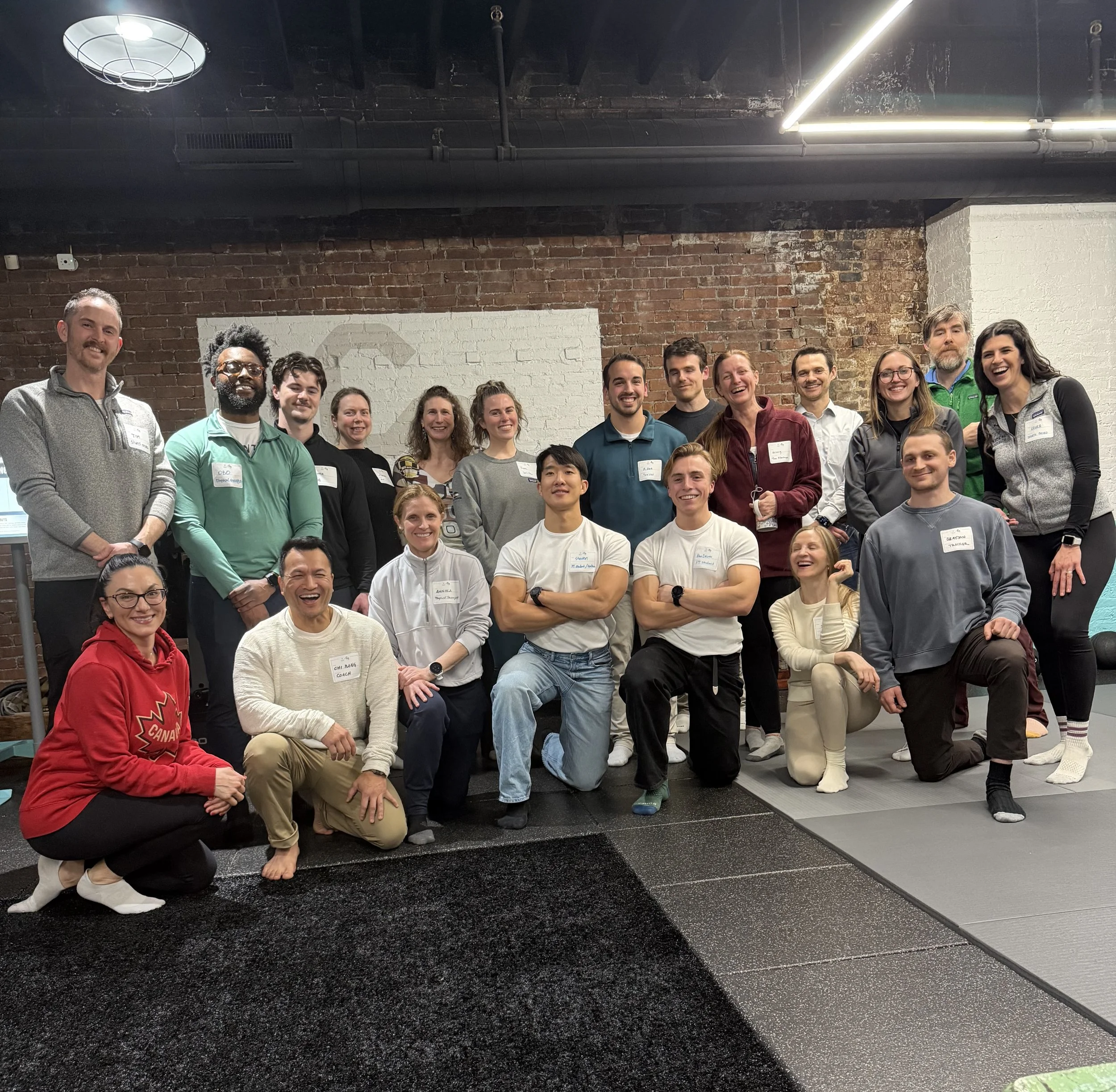
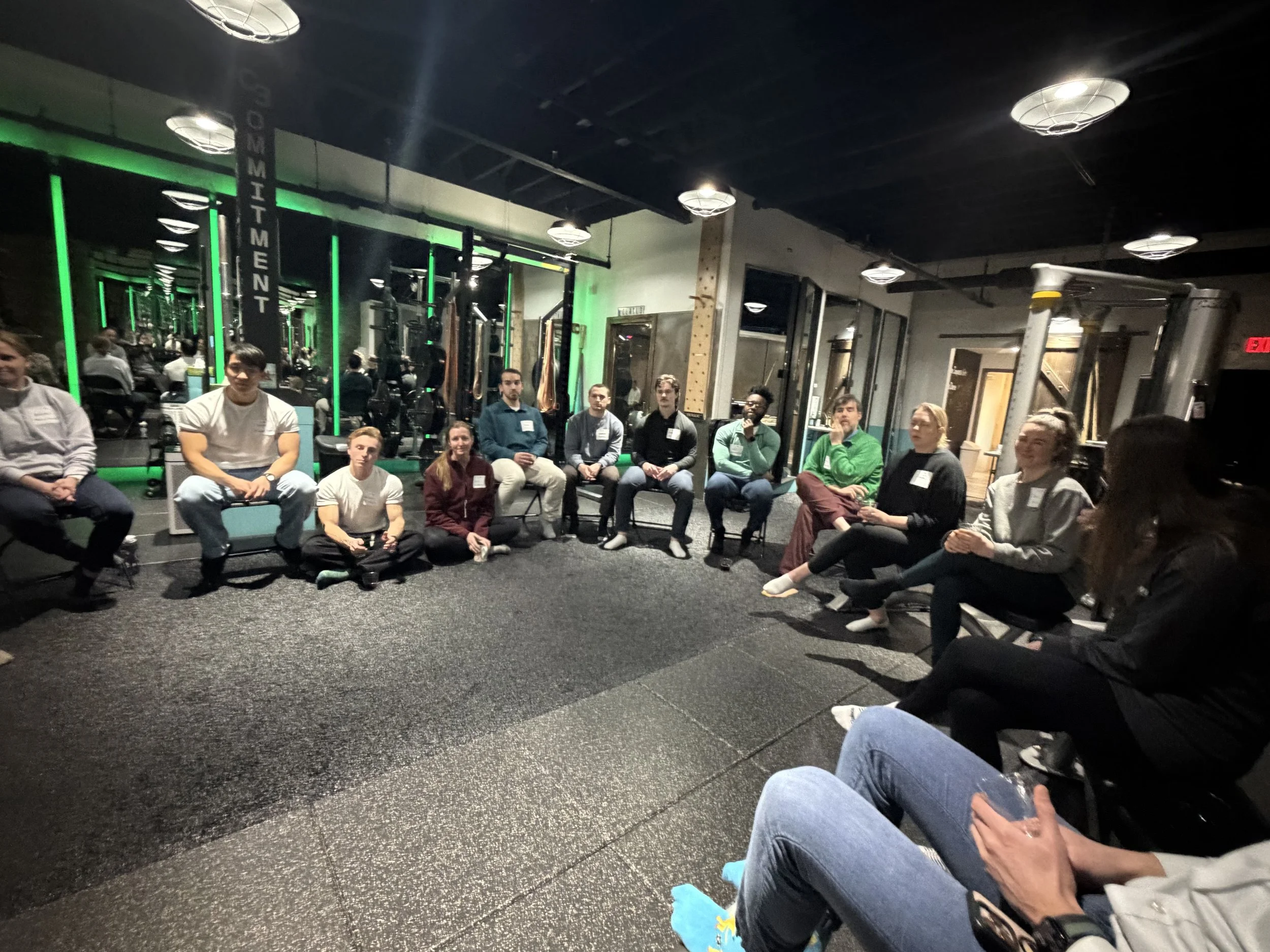
Last week, we hosted a back pain meetup for health and fitness professionals at Clientel3. Huge thanks to Chi and the team for hosting.
These events are one of our favorite things we do at Back Bay Health. They bring together chiropractors, physical therapists, strength coaches, medical doctors, massage therapists, and trainers for thoughtful, research-informed conversation. Back pain is our specialty - but collaborative care is central to how we approach it.
The question guiding the night was simple:
“What does high-quality back pain care look like in 2026?”
Why This Matters
Back pain is incredibly common. Nearly 80% of people will experience significant low back pain at some point. It’s the leading cause of years lived with disability worldwide and costs hundreds of billions of dollars annually in the U.S. alone. And despite this crazy spending, outcomes haven’t improved.
We can, and should, do better.
What the Research Tells Us
A few major themes consistently show up in large reviews and international guidelines about back pain:
1. Most back pain is non-specific.
Roughly 90% of low back pain cannot be traced to a single structural cause. Imaging findings like disc bulges and degeneration are extremely common in pain-free adults. Structure matters - but it’s rarely the whole story.
2. Risk factors are multi-dimensional.
Back pain is influenced by biological, psychological, and social factors - including physical activity levels, stress, sleep, work demands, and health behaviors. The story is about much more than blaming posture or “a weak core”
3. There are no magic treatments.
Guidelines consistently recommend:
Education and reassurance
Staying active
Exercise
Psychologically informed care
Manual therapy as an adjunct
Multidisciplinary collaboration
They generally recommend against routine imaging, opioids, passive-only care, and surgery for non-specific back pain. The reality is that high-value care isn’t sexy - it’s often simple, consistent and requires patience and hard work.
4. Movement matters
Walking, strength training, and personalized activity all help. Not because there’s a special exercise that “fixes” the spine - but because movement builds confidence, reduces fear, improves health, and supports resilience.
The Bigger Shift
The most important evolution in back pain care is this:
We’ve moved from a purely biomedical model (“find the damaged structure and fix it”) toward a biopsychosocial model (“support the whole human experiencing pain”).
High-quality back pain care in 2026 looks like:
Clear, honest education
Avoiding fear-based language
Encouraging activity instead of prolonged rest
Addressing lifestyle and psychosocial factors
Building independence, not dependence
Collaborating across professions
And here’s the encouraging part: All of this is profession-neutral. Whether you’re a chiropractor, physical therapist, trainer, or coach - you can deliver high-value back pain care.
That’s why we host these events. We want our local professional community aligned around evidence-based, person-centered care. When someone makes a referral across disciplines, the message should be consistent.
Back pain is our specialty at Back Bay Health.
Community is how we elevate the standard.